Your Complete Guide to Better Gut Health (Including Non-Vegetarian Options)
Let’s talk about something that doesn’t get enough attention until it starts bothering us – our gut health. And I mean really talk about it, because if you’re like most people, you’ve probably ignored those digestive signals for way too long.
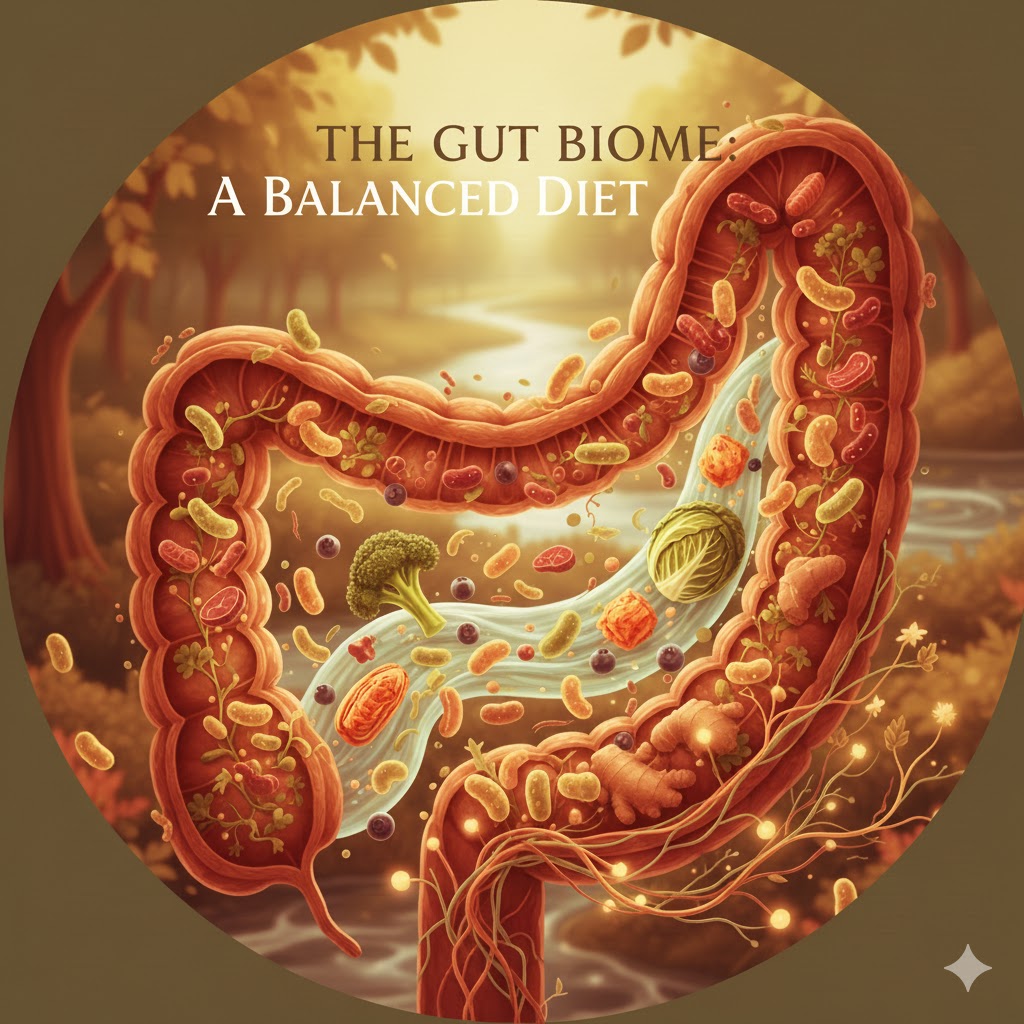
Here’s the thing: your gut isn’t just about digestion. It affects your mood, immunity, energy levels, and even how clearly you think. Scientists refer to it as the “second brain” for a reason. So if you’ve been dealing with bloating, irregular bowel movements, low energy, or just feel “off” – your gut might be trying to tell you something.
Now, full disclosure: I’m vegetarian myself, but I’ve researched extensively to help friends, family, and readers who include meat, fish, and eggs in their diet. This guide covers everything you need to know about improving gut health with both vegetarian and non-vegetarian options.
Why Should You Even Care About Gut Health?
Good question. Your gut houses trillions of bacteria – collectively called your microbiome. When these bacteria are happy and balanced, you feel great. When they’re not? Well, that’s when things get uncomfortable.
A healthy gut means:
- Better digestion and nutrient absorption
- Stronger immune system (70% of your immunity lives in your gut!)
- Improved mood and mental clarity
- Better skin
- Consistent energy throughout the day
- Reduced inflammation
Not bad for something we usually take for granted, right?
The Foundation: Fermented Foods Are Your Best Friends
If there’s one thing you take away from this post, let it be this: eat fermented foods daily.
Fermented foods sound fancy and complicated, but if you’re Indian, you’re probably already eating some of them. That curd you have with lunch? Fermented. That idli-dosa batter? Naturally fermented. Even your grandmother’s homemade achaar? You guessed it – fermented.
What to Include Daily:
Yoghurt or Curd – Aim for at least one cup daily. If possible, go for homemade or brands that say “live cultures” on the label. The probiotics in curd are like sending in reinforcements for your gut bacteria.
Buttermilk (Chaas) – This is honestly underrated. A glass of buttermilk with your lunch? Chef’s kiss for digestion.
Fermented Batters – If you make idlis or dosas at home, you’re already winning. The fermentation process makes them easier to digest and adds beneficial bacteria.
Homemade Pickles – In moderation, of course. That achaar your mum makes isn’t just tasty – it’s functional.
Kombucha or Kefir – If you can find these, great. But honestly, traditional Indian fermented foods work just as well.
Quick Tip:
If you’re new to fermented foods, start small. Your gut needs time to adjust. Too much too soon = uncomfortable gas and bloating. Trust me on this one.
Protein Choices: Quality Matters for Gut Health
Q: Does eating meat affect gut health?
A: It depends on the type, quality, and quantity. Lean proteins like fish and chicken are generally easier on the gut than red meat. And how you cook them matters too.
Best Protein Options for Gut Health:
Fish (Excellent Choice): Particularly fatty fish like salmon, mackerel, and sardines. They’re rich in omega-3 fatty acids, which reduce gut inflammation. Even Indian varieties like pomfret, rohu, katla, and hilsa are fantastic.
Fish curry with minimal oil, grilled fish, or steamed fish work brilliantly. The omega-3s in fish are genuinely healing for the gut lining.
Chicken (Good Choice): Lean and easier to digest than red meat. Skinless chicken breast or thigh meat works well.
Traditional preparations like chicken curry (not too oily), tandoori chicken, or simple grilled chicken are all gut-friendly when prepared properly.
Eggs (Excellent Choice): Highly digestible and packed with nutrients. Boiled eggs, omelettes, bhurji – all good options. Eggs are particularly easy on the digestive system.
Mutton/Lamb (Moderate): Harder to digest than chicken or fish. If you eat mutton, have smaller portions and ensure it’s cooked well. That Sunday mutton curry? Enjoy it, but don’t make it an everyday thing.
Red Meat/Beef (Limit This): Takes longer to digest and can be harder on the gut. If you eat beef, keep portions small and don’t have it frequently. It’s also linked to changes in gut bacteria that aren’t always beneficial.
Bone Broth (Highly Recommended): This deserves special mention. Bone broth from chicken or mutton bones is incredibly healing for the gut lining. It contains collagen, gelatin, and amino acids that repair the intestinal wall.
Simmer bones with vegetables and a bit of vinegar for 12-24 hours. The result is gut-healing gold. Have a cup daily if you can.
Important Notes on Non-Veg Consumption:
Processed Meats = Problem Sausages, salami, bacon, cold cuts – these are terrible for gut health. They contain preservatives and additives that disrupt gut bacteria. Avoid them or keep them extremely occasional.
Cooking Methods Matter Grilled, steamed, boiled > Deep fried Tandoori chicken > Chicken 65 Fish curry with moderate oil > Deep-fried fish pakoras
Charred or burnt meat contains compounds that aren’t great for gut health. So that overly charred seekh kebab? Maybe not the best choice.
Don’t Overdo It You don’t need meat at every meal. Many people in India who eat non-veg actually have it 3-4 times a week, not daily. This moderation is actually quite good for gut health.
Fibre: The Nutrient Everyone Talks About But Few Get Right
Q: How much fibre do I actually need?
A: Aim for 25-35 grammes daily. But here’s the catch – most people jump from getting maybe 10-15 grammes to suddenly loading up on fibre, and then wonder why they’re bloated and gassy.
Increase gradually. Add one new high-fibre food every few days. Let your gut adapt.
Your Fibre Sources:
Whole Grains: Brown rice, oats, whole wheat rotis, quinoa, and especially Indian millets like ragi, jowar, and bajra. These aren’t just trendy – they’re genuinely good for your gut.
Legumes: Dal, rajma, chickpeas, black-eyed peas. Even if you eat non-veg, include dal regularly. Pro tip: Soak them overnight before cooking. It makes them easier to digest and reduces that annoying gas situation.
Vegetables: Leafy greens (spinach, fenugreek), carrots, beetroot, pumpkin, bottle gourd (lauki), okra. Yes, even lauki. I know it gets a bad rap, but it’s gentle on the gut.
Fruits: Papaya (excellent for digestion), bananas, apples with the skin on, guava, pears. Papaya in the morning is a game-changer, by the way.
Seeds: Flax seeds (roast and grind them), chia seeds, pumpkin seeds. Sprinkle them on your yoghourt or salad.
Don’t Forget Prebiotics (Yes, They’re Different from Probiotics)
Q: What’s the difference between probiotics and prebiotics?
A: Think of it this way – probiotics are the good bacteria themselves. Prebiotics are the food that feeds those bacteria. You need both.
Prebiotic-rich foods include:
- Garlic and onions (used in pretty much every Indian dish, so you’re covered)
- Bananas, especially slightly green ones
- Oats and barley
- Apples
- Asparagus and artichokes
These foods help your probiotic bacteria thrive and multiply. It’s like giving them an all-you-can-eat buffet.
A Day in the Life: Structuring Your Meals for Gut Health
Let me walk you through what an ideal day looks like. You don’t have to follow this exactly, but it gives you a framework.
Morning (Empty Stomach)
Start with one of these:
- Warm water with lemon juice
- Soaked methi (fenugreek) seeds in water
- A small amount of aloe vera juice
This kickstarts your digestive system. It’s like a gentle wake-up call for your gut.
Breakfast
Include both protein and fibre. Some ideas:
- Omelette with whole wheat toast and vegetables
- Egg bhurji with multigrain roti
- Poha with peanuts and vegetables
- Oats with nuts, seeds, and fruits
- Moong dal chilla
- Boiled eggs with fruit
Lunch (Your Largest Meal)
This is where you want to go all in. A balanced plate should have:
- Protein (dal, chicken, fish, or eggs)
- Sabzi (vegetables)
- Roti or rice
- Salad
- Curd
Non-veg options: Chicken curry with moderate oil, fish curry, grilled chicken, egg curry
And here’s something important: chew your food properly. I mean really chew it – 20-30 times per bite if you can. Digestion starts in your mouth, not your stomach. I know we all eat fast, but slowing down makes a huge difference.
Also, don’t drink too much water during meals. It can dilute your digestive enzymes. Sip if you need to, but save the big glass for 30 minutes after eating.
Evening Snack
Keep it light:
- Fruit
- A handful of nuts
- Roasted chana
- Makhana (fox nuts)
- Boiled eggs (if you had a light lunch)
Avoid those fried samosas and pakoras. Save them for special occasions.
Dinner (By 7-8 PM)
Similar to lunch but lighter. Smaller portions are key here.
Good dinner options:
- Light chicken soup with vegetables
- Fish with salad
- Khichdi (add shredded chicken if you want)
- Egg curry with one roti
- Dal with sabzi and roti
Give yourself at least 2-3 hours between dinner and bedtime. Late-night eating is one of the worst things you can do for gut health.
Hydration: You’re Probably Not Drinking Water Right
Q: How much water should I drink daily?
A: 8-10 glasses is the standard advice, but here’s what matters more – how you drink it.
Sip throughout the day rather than chugging large amounts at once. Your body can only absorb so much water at a time.
Room temperature or warm water is better than cold water, especially for digestion.
Avoid drinking water immediately after meals. Wait at least 30 minutes.
Bonus: Herbal Teas and Broths for Gut Health
These are fantastic:
- Ginger tea
- Fennel tea
- Cumin water (boil cumin seeds in water)
- Mint tea
- Bone broth (chicken or mutton – incredibly healing)
They’re soothing, aid digestion, and count towards your fluid intake. Win-win-win.
Movement Matters: Exercise for Your Gut
You can eat all the right foods, but if you’re sitting all day, your gut won’t be happy. Movement literally helps move things along in your digestive tract.
Daily Movement (30-45 Minutes):
Walking: Especially after meals. Even a 10-minute walk after lunch or dinner helps digestion significantly. My grandmother insisted on this, and she was right all along.
Yoga: Specific poses that help digestion:
- Pawanmuktasana (wind-relieving pose – the name says it all)
- Vajrasana (sit in this for 5-10 minutes after meals)
- Bhujangasana (cobra pose)
- Ardha Matsyendrasana (seated twist)
Core Exercises: Strengthening your abdominal muscles supports digestive function. Planks, crunches – they all help.
Pranayama: Breathing exercises like Kapalbhati and Anulom Vilom aren’t just good for your lungs – they massage your internal organs and reduce stress.
The Stress Connection
Here’s something interesting: your gut and brain are directly connected through something called the gut-brain axis. Ever had a “gut feeling” or felt butterflies in your stomach when nervous? That’s not just a saying – it’s real.
Chronic stress absolutely wrecks your gut health. No matter how well you eat, if you’re constantly stressed, your digestion will suffer.
So prioritise:
- Daily meditation (even 10 minutes helps)
- Adequate sleep (7-8 hours non-negotiable)
- Work-life balance
- Social connections
- Hobbies and downtime
Foods to Limit (Notice I Didn’t Say “Eliminate”)
I’m not going to tell you to never eat samosas again. That’s unrealistic and honestly unnecessary. But these foods should be occasional treats, not everyday staples:
- Processed foods (packaged snacks, instant noodles, ready-to-eat meals)
- Processed meats (sausages, salami, bacon – these are particularly bad)
- Excess sugar (sweets, cold drinks, packaged juices)
- Refined flour/maida (white bread, naan, bakery items)
- Deep-fried foods (save for special occasions)
- Charred or burnt meat (those overly grilled kebabs)
- Artificial sweeteners (they can disrupt gut bacteria)
- Too much tea/coffee (limit to 2 cups daily, never on empty stomach)
The Magic of Indian Spices
One of the best things about Indian cuisine? It’s practically designed for gut health. Our traditional spices aren’t just for flavour – they’re medicinal.
Cumin (Jeera): Cumin water is a traditional remedy for digestive issues. Boil a teaspoon of cumin in water, strain, and drink.
Fennel (Saunf): Chew a few seeds after meals. It’s not just tradition – it actually works for digestion and freshens breath.
Ginger (Adrak): Fresh ginger tea, ginger in cooking, or even raw ginger with salt before meals. Anti-inflammatory and aids digestion.
Turmeric (Haldi): The golden child of spices. Anti-inflammatory and healing for the gut lining.
Ajwain (Carom Seeds): Excellent for gas and bloating. Make ajwain water or add it to your parathas.
Hing (Asafoetida): That tiny pinch you add to dal? It significantly reduces gas. Our grandmothers knew what they were doing.
Coriander: Cooling for the digestive system and helps with inflammation.
Important Eating Habits That Change Everything
It’s not just what you eat – it’s how you eat:
Eat at regular times. Your gut thrives on routine. Try to have meals at roughly the same time each day.
Chew properly. Yes, I’m mentioning this again because it’s that important. Most digestive issues start with gulping food down. This is especially important for meat, which takes longer to break down.
Don’t skip meals. This causes digestive chaos and spikes in hunger that lead to overeating.
Smaller, frequent meals often work better than 2-3 large ones, especially if you have digestive issues.
Never eat when stressed or upset. Stress literally shuts down digestion. If you’re angry or anxious, wait until you calm down before eating.
Practice mindful eating. Put the phone down. Turn off the TV. Actually taste your food.
Special Considerations for Non-Vegetarians
Red Meat Digestion: Red meat takes 24-72 hours to fully digest (compared to 12-48 hours for chicken or fish). So if you eat mutton or beef, give your gut a break between servings. Don’t have it back-to-back days.
Combining Foods: Try not to mix too many proteins in one meal. Fish curry with chicken tikka starter? Your gut won’t thank you. Stick to one protein source per meal.
The Importance of Vegetables: Even if you love your non-veg, don’t skip vegetables. They provide the fibre that helps move meat through your digestive system. A plate of just chicken and roti without vegetables? Not ideal.
When to Consider Supplements
Q: Should I take probiotic supplements?
A: It depends. If you’re consistently eating fermented foods and still having issues, supplements might help. But talk to a doctor first.
Other supplements to consider:
- Vitamin B12 (especially if you don’t eat enough eggs or meat)
- Vitamin D (especially if you’re deficient)
- Digestive enzymes (if you have chronic digestive issues)
- Omega-3 supplements (if you don’t eat enough fish)
One important note: Never self-medicate with antibiotics. They destroy both good and bad bacteria in your gut. Take them only when prescribed and absolutely necessary.
Warning Signs: When to See a Doctor
Don’t ignore these symptoms:
- Persistent bloating or gas despite dietary changes
- Chronic constipation or diarrhoea
- Blood in stool
- Unexplained weight loss
- Severe abdominal pain
- Heartburn that doesn’t improve with lifestyle changes
- Difficulty digesting meat (feeling heavy or sick after eating non-veg)
Some digestive issues need medical attention. Don’t try to fix everything with diet alone.
Your Daily Gut Health Checklist
Print this out or save it on your phone:
✓ Had fermented food today (curd/buttermilk)
✓ Ate 5-7 servings of vegetables/fruits
✓ Chose whole grains over refined
✓ Drank 8-10 glasses of water
✓ Got 30 minutes of exercise/walking
✓ Slept 7-8 hours
✓ Ate meals at regular times
✓ Finished dinner at least 3 hours before bed
✓ If had non-veg, kept portion moderate and included vegetables
You don’t have to tick every box every day. Aim for consistency, not perfection.
What to Expect: A Realistic Timeline
Week 1-2: You might actually feel worse before feeling better. Gas and bloating are common as your gut adjusts to new foods. This is normal. Power through.
Week 3-4: Better bowel movements, less bloating. You’ll start noticing the difference.
Month 2-3: Noticeable improvements in energy levels, digestion, and overall well-being. This is when friends might ask if you’re doing something different.
Month 6+: Your gut microbiome is well-established. Good habits feel natural now.
Final Thoughts
Improving gut health isn’t about perfection. It’s about making small, consistent changes that add up over time.
Start with one or two things from this post. Maybe add curd to your daily routine. Or start walking after dinner. Or simply slow down and chew your food properly. If you eat non-veg, consider swapping red meat for fish a couple of times a week.
Your gut has been with you through everything – stress, junk food binges, irregular sleep, all of it. It’s incredibly resilient. Give it some care, and it will take care of you.
Have questions about gut health or nutrition? Drop them in the comments below. I’d love to hear what’s working for you!
Disclaimer: I’m not a doctor or nutritionist. This information is based on research and personal experience. For specific health concerns, please consult with a qualified healthcare professional.